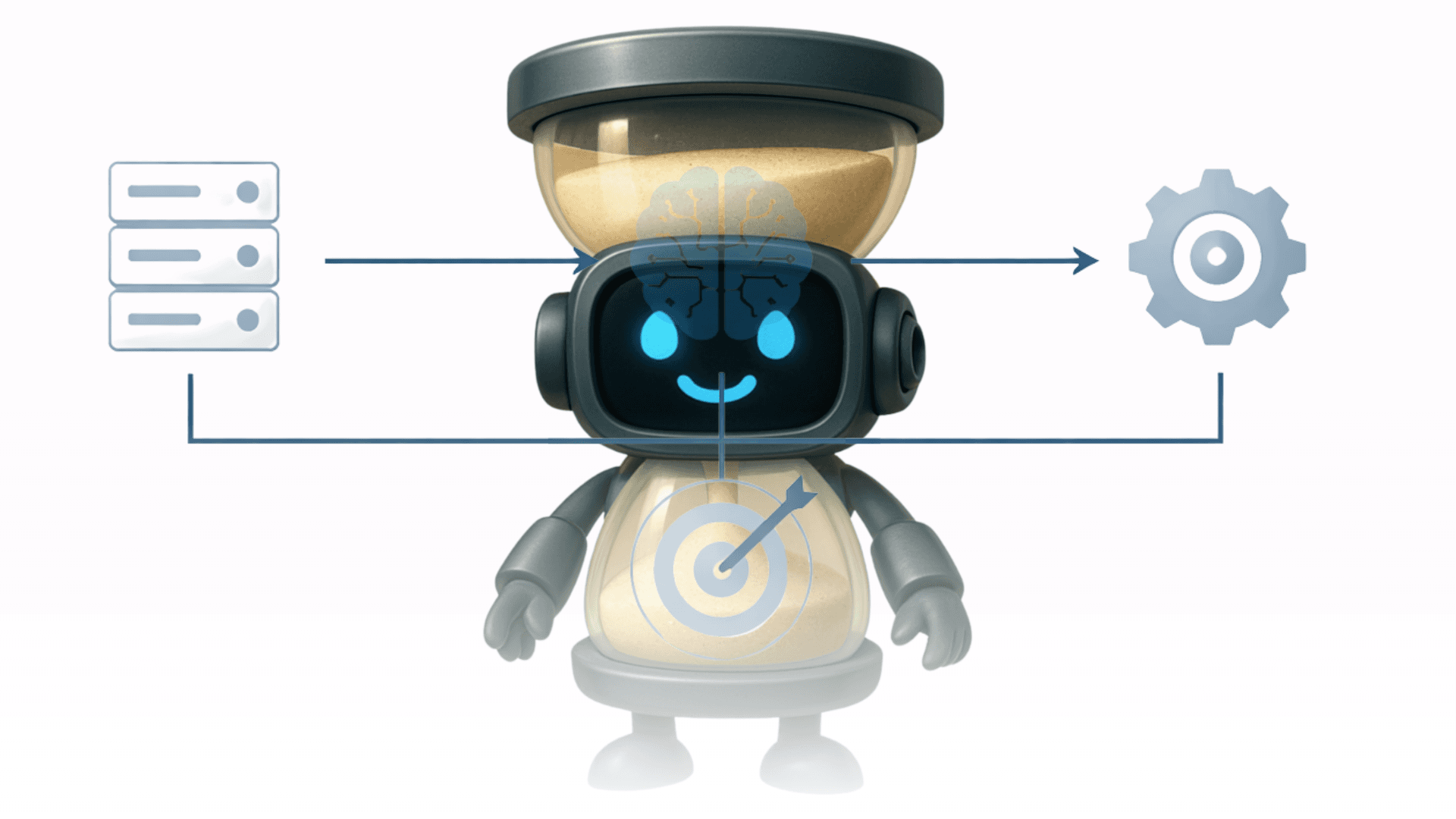
Digital Transformation Reality Check: Why 65% Still Lack AI Production Strategy
Digital transformation has been a priority for years now. Most companies have invested in tools, experimented with AI, and pushed internal initiatives forward in some form.
On the surface, it looks like progress.
But when you look closer, a different picture appears. In 2026, a large share of businesses still cannot answer a simple question. How does AI actually run inside the business on a daily basis?
That gap between activity and execution is where most transformation efforts lose momentum.
The illusion of AI progress in modern organizations K.B Consultancy perspective
It is easy to feel like things are moving in the right direction.
Teams are using AI tools. Pilots are being launched. There is constant discussion about innovation and transformation. Internally, it creates the sense that the company is keeping up.
But none of that guarantees impact.
What is often missing is structure. Systems that can scale beyond small experiments. A clear strategy that defines where AI should be applied and why. Metrics that show whether any of it is actually improving performance.
Without those elements, AI remains something people use occasionally, not something the business depends on.
At K.B Consultancy, this is a common starting point. Companies have invested in multiple tools, yet workflows remain fragmented. The result is not transformation, it is a collection of disconnected improvements that never compound.
Why companies struggle to move beyond AI pilots and isolated tools
The reasons behind this are not complicated, but they are persistent.
Fragmentation is one of the biggest issues. Different teams adopt different tools, each solving a local problem. Over time, this creates a patchwork of systems that do not communicate properly. Data gets stuck, processes break between handovers, and no one has a full view.
Leadership alignment is another challenge. Without a shared direction, initiatives drift. One team focuses on efficiency, another on experimentation, another on cost reduction. All valid goals, but without coordination, they pull in different directions.
Then there is the technical foundation. Many companies simply do not have the infrastructure to support AI at scale. Data is inconsistent, integrations are weak, and processes are not clearly defined.
These are not edge cases. They are the default in most growing businesses.
And this is exactly why progress stalls.
What a real AI production strategy looks like in practice K.B Consultancy approach
A production strategy is less about ambition and more about clarity.
It starts with defined use cases that are directly tied to business outcomes. Not generic ideas about automation, but specific workflows where AI can improve speed, accuracy, or cost.
From there, systems need to be connected. CRM, operations, finance, support. If these remain isolated, AI cannot operate across them in a meaningful way. Integration is what turns individual improvements into a cohesive system.
Continuous optimization is what keeps everything relevant. AI systems are not static. They need to be monitored, adjusted, and refined based on real performance.
This is where many strategies fall apart. They treat implementation as a one time project instead of an ongoing process.
At K.B Consultancy, the focus is always on how work actually flows through a business. AI & Automation only make sense when they are embedded into that flow, not added on top of it.
The execution gap in digital transformation and how to close it
There is a growing gap between companies that experiment with AI and those that operationalize it.
Closing that gap requires a shift in mindset.
It means moving away from thinking in terms of tools and starting to think in terms of systems. A tool can improve a task. A system defines how work gets done from start to finish.
It also requires making decisions earlier. Which workflows matter most? Where is time being lost? Where does manual work create bottlenecks? Without clear answers, AI initiatives remain unfocused.
Execution improves when these questions are addressed directly.
Another important shift is accountability. Someone needs to own how AI performs in production. Not just technically, but operationally. Without ownership, systems degrade over time.
These are practical changes, but they are often overlooked because they are less visible than launching a new tool.
Digital transformation only works when AI runs in production
There is nothing wrong with experimenting. Pilots have their place. They help teams understand what is possible.
But they are not the end goal.
Real transformation happens when AI becomes part of daily operations. When decisions depend on it. When workflows run through it without constant manual intervention.
Until that point, most of the value remains untapped.
The companies that recognize this early are already moving differently. Less focus on trying new tools, more focus on making existing systems work together. Less emphasis on ideas, more on execution.
That is where digital transformation becomes real.
23 March 2026